Adaptation: Versions of You

Updated: 6 days ago

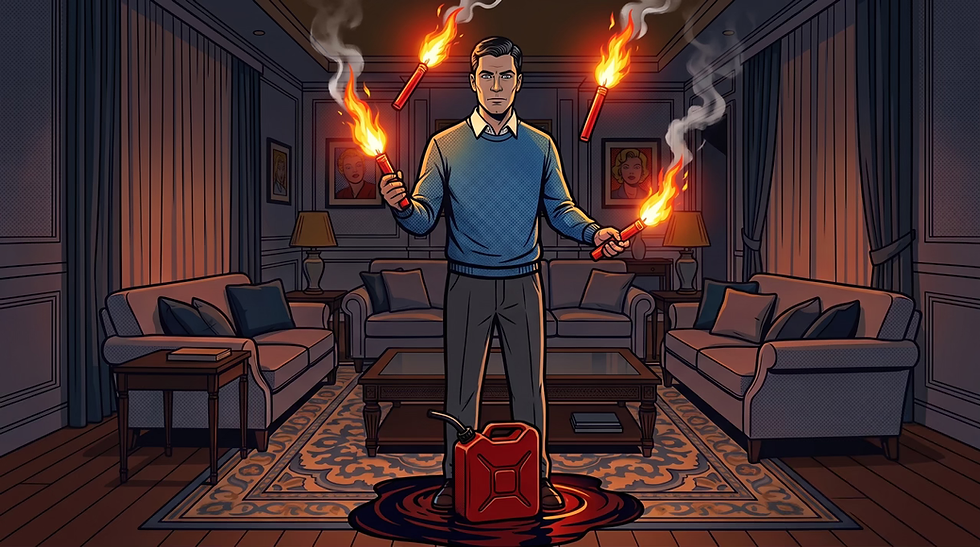
Adaptation kept you alive by forcing you to become whatever the chaos demanded—a combative shell, a vanishing ghost, a frozen stone, or a smiling mirror. When your nervous system treats everyday peace like a threat, you remain trapped in these exhausting trauma responses. True autonomy means recognizing you are safe enough to finally retire these outdated defenses and step back into your actual life.
Episode Chapters
00:00 | Honoring Versions That Survived
04:41 | When Survival Skills Start Costing You
10:36 | Updating Legacy Nervous System Software
13:08 | Hidden Costs of Outdated Coping
18:51 | Reclaiming Control from Outside Opinions
26:15 | Practical Steps to Build Learned Safety
34:50 | Allowing the Survivor to Finally Rest
"Your brain doesn't care if you're happy, it only cares if you're alive. You've spent years adapting to dangerous situations just to survive, but now it's time to find yourself again."
Adaptation
Adaptation develops as a highly intelligent biological response to prolonged instability, severe neglect, or chronic external threats. When a specific environment lacks consistent emotional safety, the human nervous system constructs intricate defensive roles to prevent further harm. These automatic behavioral patterns often manifest as extreme hypervigilance, sudden anger, compulsive control, or complete emotional shutdown. They serve as functional adjustments that successfully preserved your survival rather than representing fundamental character defects.
Complications inevitably arise when your external conditions stabilize while your internal threat alarms remain permanently triggered. The human threat detection network naturally prioritizes false alarms over missed dangers to ensure you stay alive. Consequently, routine daily conversations, minor relational disagreements, and quiet moments are frequently misinterpreted as dangerous confrontations. Living inside this continuous defensive posture rapidly drains your physical vitality, ruins restful sleep, and actively blocks meaningful interpersonal connection.
Biological Persistence of Outdated Threat Responses
The autonomic nervous system efficiently encodes these survival habits through intense emotional repetition and high perceived stakes. Threat assessment structures like the amygdala rapidly mobilize bodily resources long before conscious reasoning can accurately evaluate present safety. While these lightning-fast defenses remain absolutely essential during an acute crisis, chronic activation effectively locks the body into permanent survival mode. True autonomy involves calibrating your brain to recognize genuine safety instead of permanently erasing your internal alarms.
Retiring Legacy Defenses
Reclaiming autonomic stability requires consistent physiological evidence rather than intellectual rationalization or sheer willpower alone. Grounding physical actions, such as relaxing muscle tension and deliberately slowing exhalations, signal directly to the brainstem that the present room is genuinely safe. Recognizing that protective habits have become counterproductive allows individuals to transition away from heavy self-blame. True recovery consistently honors the resilient self that endured the storm by finally allowing that exhausted survivor to rest.
Key Topics
Adaptation, Autonomic Regulation, Hypervigilance and Trauma, Outdated Coping Retirement, Learned Nervous System Safety, Emotional Availability, Secondary Emotion Processing