Adjustment Disorder: Hello New Me


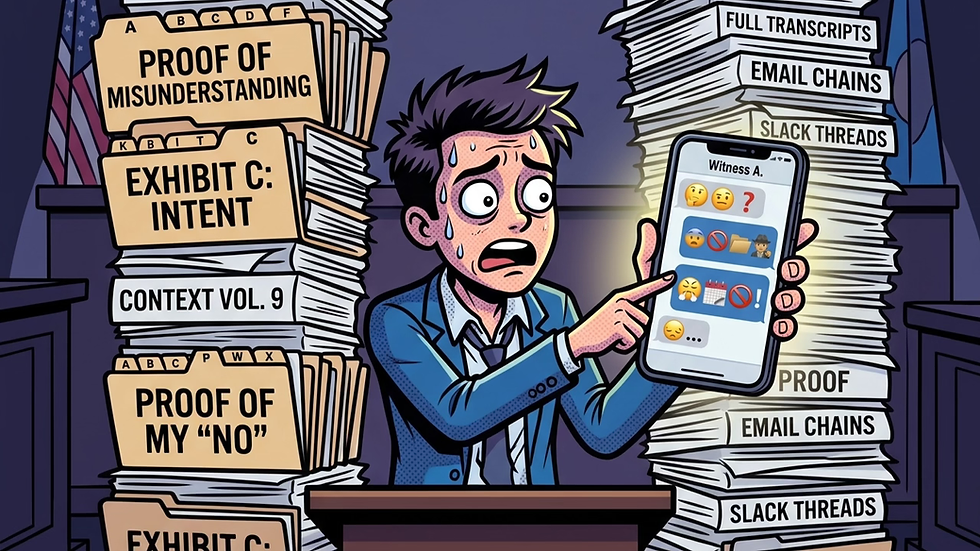
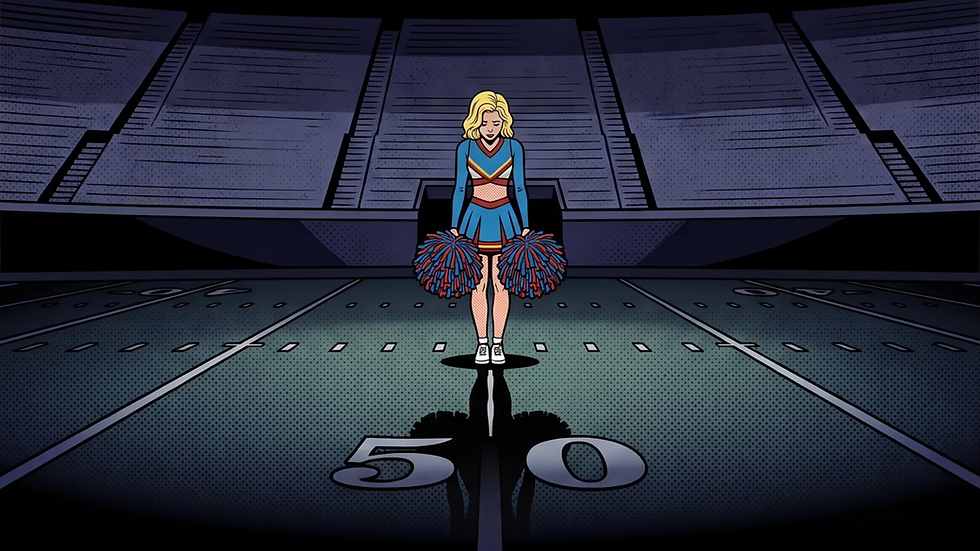
Adjustment disorder occurs when your brain projects an outdated survival role instead of your current reality. You may wear the uniform of a functional adult, but underneath, you are clinging to familiar past identities. Retiring those old reflections is the first step toward genuine freedom.
"Healing can feel like betrayal. You're not being authentic to who you were, but in reality, you were a mess."
Episode Chapters
00:00 | Grieving the Person You Used to Be
02:05 | Comfort in Familiar and Painful Identities
05:57 | Embracing Unfamiliar Peace and Healing
12:52 | How Behavior Shapes Your New Identity
20:49 | Grieving Identities But Keeping Strengths
29:12 | Overcoming Resistance to Reinvention
45:11 | Reinvention is a Non-Linear Path
Adjustment Disorder
Navigating an adjustment disorder often means confronting the uncomfortable space between your painful past and a healthier future. People frequently expect the healing process to bring immediate relief and happiness to their lives. Instead, stepping away from familiar trauma responses can trigger unexpected feelings of profound grief, guilt, and fear. This emotional friction occurs because the nervous system is literally losing its primary method of navigating the world.
Retiring Your Outdated Survival Roles
The human brain is essentially a survival engine that constantly seeks safety through highly predictable and familiar routines. When individuals adopt protective roles like the caretaker, the invisible one, or the chronic overachiever, those strategies become deeply ingrained labels. Letting go of these established identities feels incredibly threatening to a brain that relies on them to anticipate danger. Outgrowing these toxic environments requires consciously retiring the roles that originally kept you safe.
Building Identity Through Repeated Behavior
Identity is not stored in a single geographical location within the human brain waiting to be easily deleted. It is continuously constructed through accumulated memories, emotional responses, and physical sensations over an extended period of time. By consistently practicing new and healthier behaviors, individuals can effectively update their neural pathways through neuroplasticity. True healing demands accepting that unfamiliar sensations are simply new experiences rather than dangerous or fake realities.
Key Topics
Adjustment Disorder, Trauma-Informed Care, Neuroplasticity, Survival Identities, Mental Health Healing, Therapy Resistance