Chaos: Comfort in Crisis

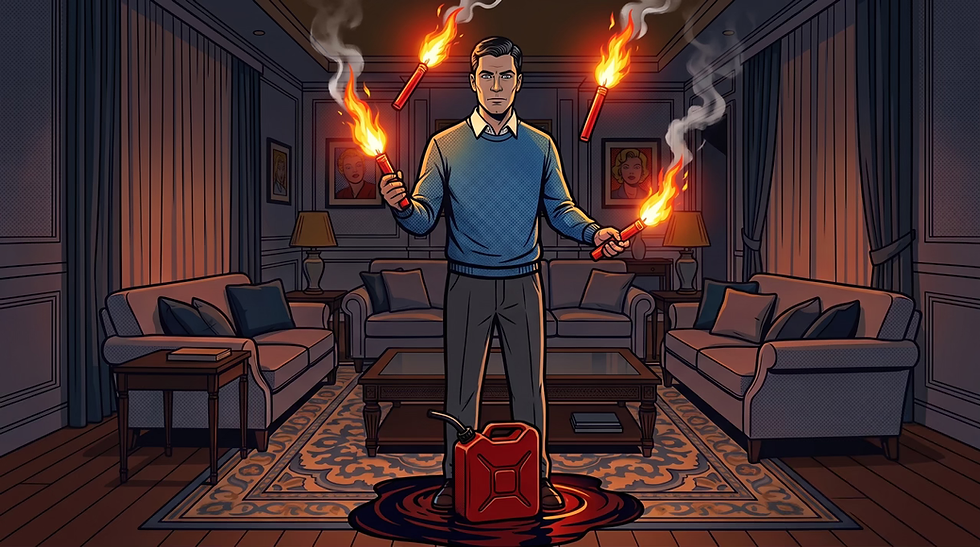
Chaos is like juggling lit road flares in a puddle of gasoline simply because the quiet feels too boring. When your nervous system adapts to constant emotional intensity, a perfectly safe environment can trigger an overwhelming biological urge to burn it all down. You don't have to create a crisis just to prove you can survive one.
Episode Chapters
00:00 | Why Peace Feels So Wrong
01:16 | Thriving in Crisis, Struggling in Calm
01:53 | Understanding Chaos as a Behavior
04:15 | Media's Role in Drama Addiction
05:36 | Chaos: Addiction or Comfort
08:12 | Calm Relationships Feel Boring
11:11 | Brain's Chaos Prediction
13:31 | Retraining the Brain for Calm
15:22 | Are You Truly Safe
16:50 | Choices and Accountability
18:30 | Unconscious Self-Sabotage
22:21 | Sabotage Feels Justified
23:18 | Vigilance Blocks Good Things
24:19 | Chaos Patterns Are Not Diagnosis
25:46 | What Happens When Life Is Calm
26:18 | Survival Skills Expire
27:16 | Nervous System Needs Evidence
"The human nervous system has an annoying habit of confusing familiar with safe. Chaos isn't just something you survived—it became your baseline."
Chaos
Chaos acts as a familiar behavioral baseline for individuals accustomed to chronic stress or volatile environments. When the nervous system adapts to high emotional intensity, it frequently interprets safety and calm as threatening or unfamiliar. This physiological response can lead to unconscious self-sabotage, where individuals manufacture conflict to restore a recognizable state of arousal. Retraining the brain requires repeated exposure to stable, secure situations without the presence of a crisis.
Navigating the Discomfort of Peace
Transitioning from a state of hypervigilance to a calm environment often produces unexpected anxiety. The brain relies on historical data to predict danger, making predictability feel suspiciously quiet for those who survived trauma. Individuals may experience an overwhelming urge to test relationships or break boundaries simply to validate their internal alarm systems. Overcoming this discomfort involves recognizing that a lack of emotional intensity does not equate to a lack of connection.
Redefining Safety and Intimacy
Healthy relationships often lack the dramatic emotional peaks and valleys associated with toxic dynamics. This absence of whiplash can be misinterpreted as boredom or a loss of romantic chemistry. True intimacy is built on consistent communication, mutual respect, and the ability to share ordinary life without the constant threat of abandonment. Building secure attachments requires intentional practice and a willingness to embrace the quiet moments together.
Key Topics
Emotional Dysregulation, Nervous System Arousal, Trauma Adaptations, Relationship Sabotage, Hypervigilance, Coping Mechanisms