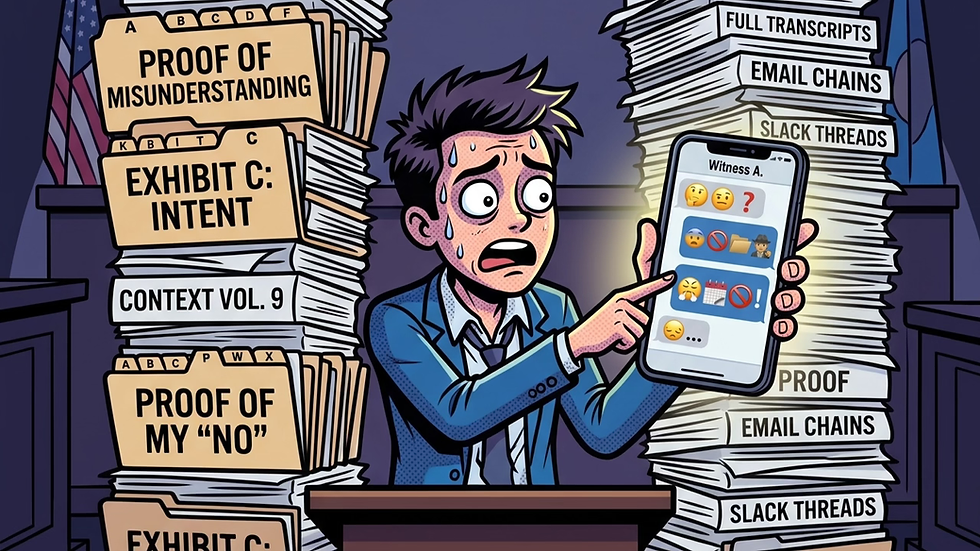
Healing: Why So Messy and Painful?

Most people misunderstand healing and assume they should immediately feel better after starting therapy. In reality, opening up old wounds usually makes everything feel significantly worse before the calm arrives. This temporary discomfort isn't failure; it is the gritty blueprint for permanent change and nervous system regulation.
"Avoidance works wonderfully. Until it destroys your entire life. Other than that, it's fantastic!"
Episode Chapters
00:00 | Why Healing Feels Bad
02:31 | Survival Instincts Over Happiness
05:20 | Changing Relationships and Boundaries
07:55 | Why Therapy Gets Worse Before It Improves
10:52 | How the Nervous System Predicts the Past
13:36 | Accessing the Prefrontal Cortex
16:39 | Hippocampus and Unpredictable Healing
24:17 | A Therapist's Experience With Trauma
29:12 | True Distress Tolerance Over Self-Care
33:48 | Tolerating Discomfort for Permanent Change
39:59 | Building New Neural Pathways for Healing
47:37 | Embracing Discomfort for Emotional Maturity
Healing
The brain is a survival machine that values familiar chaos over unfamiliar peace. When individuals begin therapy, the nervous system often perceives the disruption of old patterns as an active threat. This biological reaction means that emotional soreness, heightened anxiety, and unexpected grief are standard clinical markers of progress, not signs of failure. Establishing distress tolerance requires confronting these temporary emotional spikes rather than retreating into avoidance.
Danger of Reverting to Avoidance
Many clients abandon their clinical journey right before achieving a major breakthrough because their amygdala signals danger. Quitting therapy provides immediate dopamine relief, but this chemical reward system actually reinforces the original trauma loop. True neurological change requires enduring the initial emotional exhaustion so the brain can build stronger neural pathways.
Hippocampus in Memory Retrieval
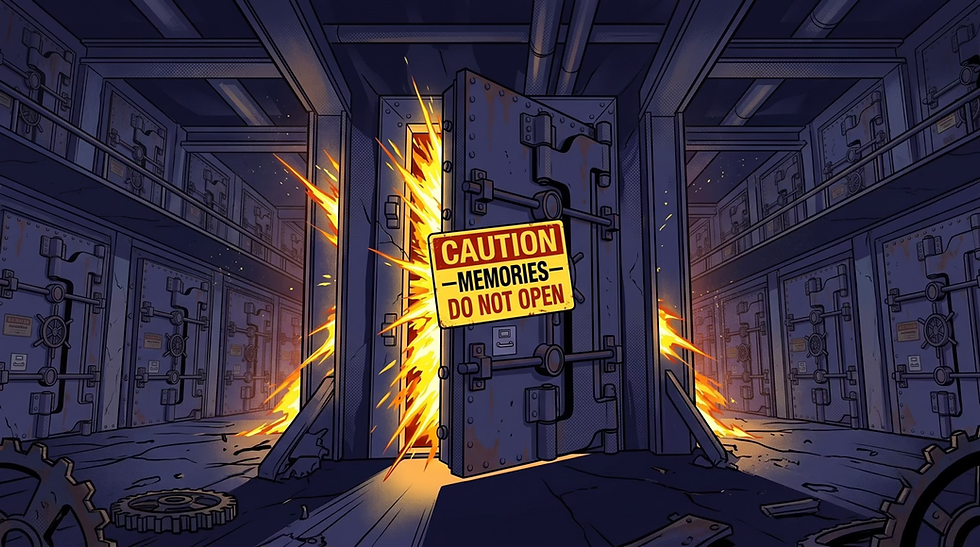
As the nervous system slowly gains permission to process past events, the hippocampus begins reconnecting suppressed memories. This biological mechanism explains why patients often feel overwhelmed by sudden emotional clarity after years of numbness. Processing these intense feelings is similar to cleaning an infected wound, requiring patience and sustained emotional exercise.
Key Topics
Therapy Resistance, Distress Tolerance, Neuroplasticity, Trauma Processing, Amygdala Activation