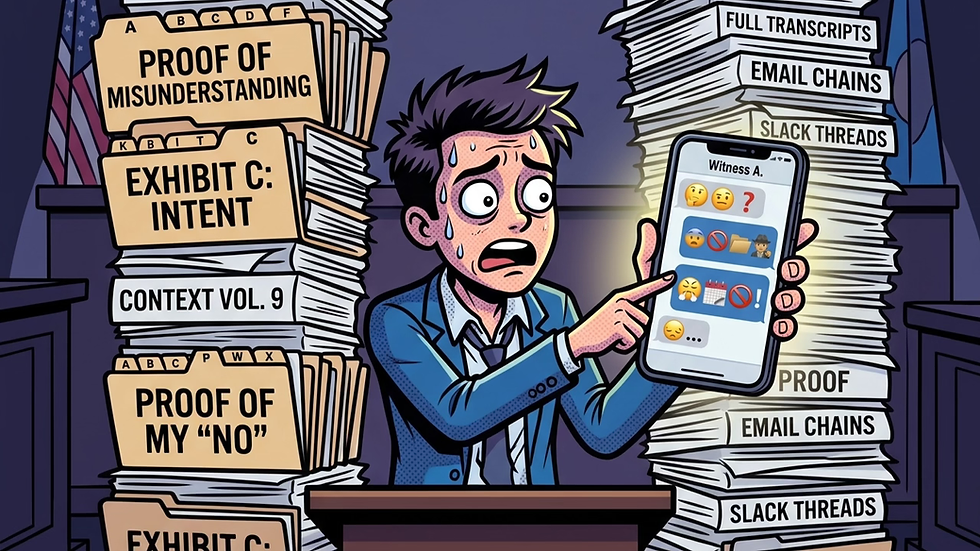
Closure: The Illusion of Validation and the Reality of Accountability


Closure is a myth we chase to avoid the terrifying reality that we are in control of our own suffering. We keep touching the same hot stove, hoping this time the burner will apologize. True autonomy begins when you stop demanding answers and simply choose to walk out of the kitchen.
"Sometimes closure stems from the acceptance that you may never understand why—and deciding that your peace is worth more than their explanation."
Episode Chapters
00:00 | Unpacking Closure Beyond Validation
03:28 | Navigating Grief for Happy Closure
06:31 | Uncle Walt's Wisdom on Life
09:35 | From Victim to Survivor Identity
12:55 | Finding Closure Within Yourself
15:56 | Releasing Your Traumatic Story
18:24 | Shifting Perspectives in Relationships
23:04 | The Power of Forgiveness and Grace
29:15 | Advocating for Political Solutions
32:11 | Self-Generated Closure and Joy
35:12 | Felica's Journey of Rebuilding
39:45 | Closure Is Taken Not Given
Closure
Closure is frequently misunderstood as a final conversation or an external apology that resolves lingering pain. Clinically, relying on another person for closure acts as a prolonged emotional attachment that surrenders personal autonomy. True closure is an internal, self-generated process of acceptance—recognizing that survival and peace do not require a perfect understanding of why a painful event occurred.
The Illusion of Validation
The brain prefers familiar pain over the uncertainty of moving forward, often masking this fear as a desire for "answers." This mental replay loop keeps the emotional attachment alive, creating a false sense of control while preventing actual healing. Letting go of the narrative requires accepting reality without receiving the validation you feel you are owed.
Relinquishing the Victim Identity
Pain can easily transition from an event that occurred into a foundational part of an individual's identity. When trauma becomes the organizing principle of a person's life, healing is perceived as a threat because it demands the disruption of that identity. Transitioning from a victim to a survivor requires the courage to build a new sense of self without relying on the familiar structure of past pain.
Key Topics
Emotional Autonomy, Identity Attachment, Internal Validation, Clinical Forgiveness, Clinical Authority