High-Functioning Trauma: The "I'm Fine" Mask

Updated: Apr 19

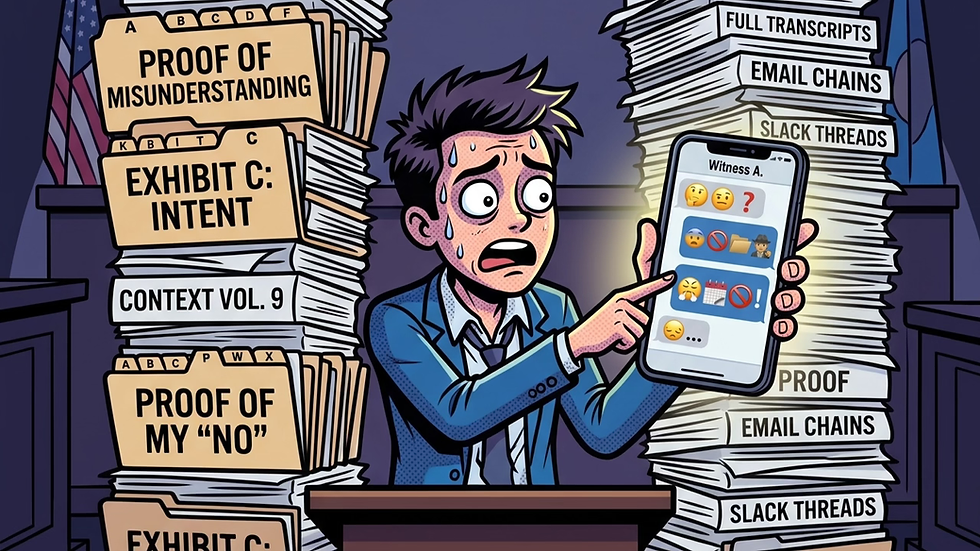
High-functioning trauma creates a verbal smoke screen that hides the exhausting work of just getting through the day. Most people using the phrase "I'm fine" are actually signaling a neurological cease-and-desist to protect their remaining energy. Understanding the gap between performing and actually being safe is the first step toward genuine nervous system regulation.
"'I'm fine' is not a feeling. It’s a cease-and-desist letter from your nervous system."
Episode Chapters
The Biggest Lie In Therapy: "I'm Fine"
"Fine" As Trauma Shorthand
Masking Isn't Lying—It's Armor
High-Functioning Vs. Actually Okay
Why Therapists Don't Push
When Avoidance Stops Working
Exhaling For The First Time
High-Functioning Trauma
High-functioning trauma is characterized by a persistent disconnect between external performance and internal safety. The common phrase "I'm fine" often serves as a survival adaptation, acting as a trauma carry-on bag where overwhelming emotions are compressed to maintain daily functioning. This masking is not a form of dishonesty but a necessary armor developed in response to environments where vulnerability was dangerous. Clinical recovery focuses on recognizing the purpose of these masks and gently rebuilding the capacity for genuine regulation without the pressure of forced disclosure. By shifting the focus from "getting it done" to feeling safe, individuals can begin to move past the identity of the resilient performer.
I'm Fine Isn't Lying—It's Armor
When someone says "I'm fine," what they usually mean is they don't have the energy to unpack it, or they don't trust that it's safe yet. "Fine" isn't emotional dishonesty; it's emotional compression. It's a trauma carry-on bag where everything is shoved inside so it doesn't spill all over the terminal. We unpack why masking isn't a problem to be solved—it's armor that kept a lot of people alive.
High-Functioning Trauma -VS- Okay
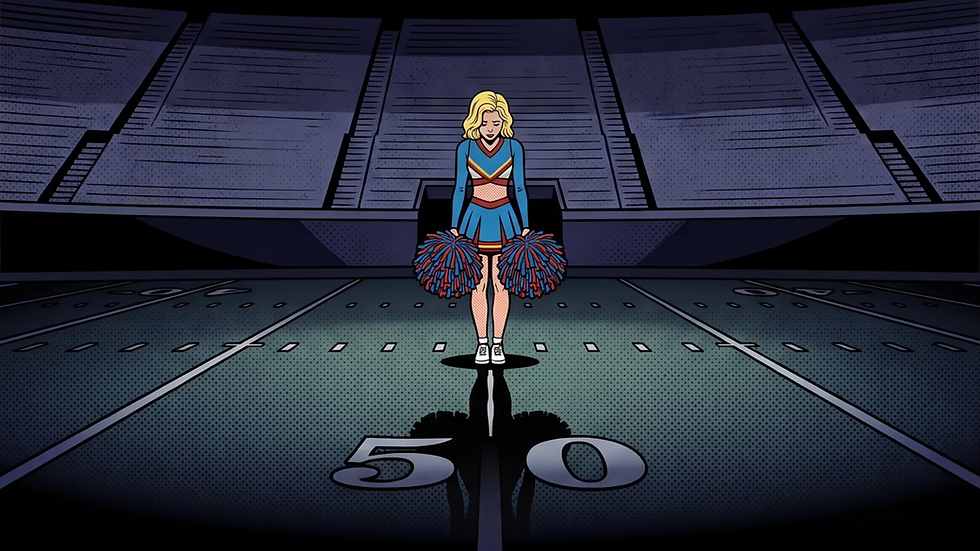
If you grew up in chaos or unpredictability, showing emotion wasn't brave—it was dangerous. So you learned to perform. You became "the strong one," which often just means no one noticed you were drowning because you waved too well. Our licensed clinicians know that we don't rip the mask off in therapy. We ask why it was needed, and whether it still is.
Key Topics
Masking, Survival Skills, High-Functioning Trauma, Nervous System Regulation, Emotional Compression