Suicidal Thoughts: Crisis Protocols and Hotline Scripts

Updated: Apr 19

Suicidal thoughts are not a sign that you are broken, but a signal that something deep inside hurts and requires a different kind of attention. We discuss the critical difference between having a thought and packing a bag for the void. Authentic connection survives the truth, even when that truth is the most uncomfortable thing in the room.
"Suicide is the ultimate teammate sacrifice for people who think they're a burden."
Episode Chapters
00:00 | More Than Just Wanting To Die
03:03 | Do Protocols Fail Suicidal Clients?
06:31 | Intense Responses Shut Down Real Talk
09:39 | Talking About Suicide Like Hamburgers
19:48 | The "Burden" Myth Of Suicide
29:11 | Real Risk Vs. Attention-Seeking
39:28 | The Power Of Presence In Crisis
Suicidal Thoughts
Suicidal thoughts are often a neurological survival response to overwhelming pressure, functioning as a desperate search for escape or relief rather than a definitive desire to die. These thoughts are frequently passive, manifesting as a wish to not wake up or a profound exhaustion with the "group project" of life. When clinical systems respond with rigid protocols or scripted hotline responses, the intensity of the intervention can inadvertently shut down the conversation, forcing the client to manage the clinician's anxiety. Real clinical safety is built through presence rather than interrogation, requiring therapists to be as comfortable with the word "suicide" as any other clinical topic. By validating the "haunted basement" of the human brain without immediate escalation, a relationship can be formed that survives the truth.
Presence Over Protocol
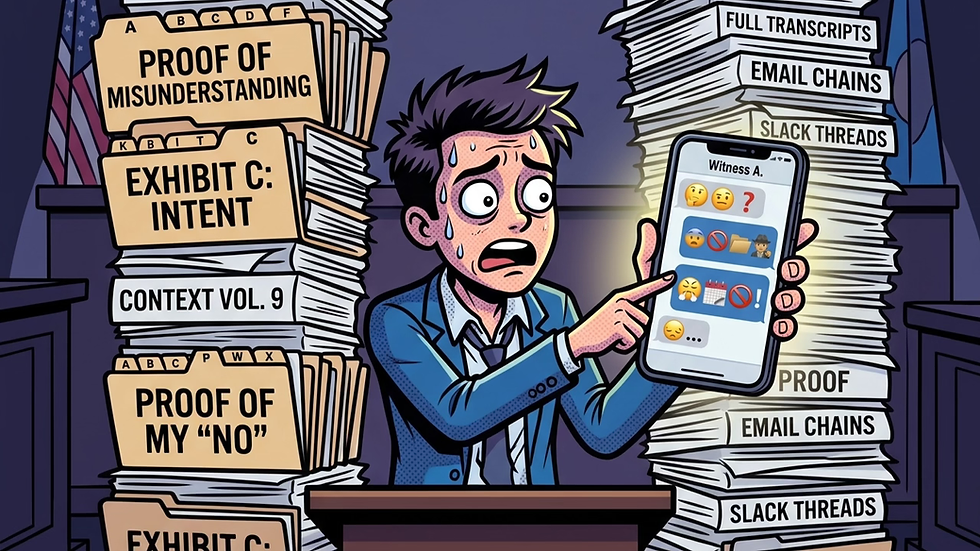
The second a person feels they are being "handled" by a flowchart, the clinical alliance is broken. Scripts feel disconnected and performative to someone in the abyss, often leading to fake compliance or a total shutdown of vulnerability. We prioritize the humanitarian presence required to sit in the silence until it stops feeling dangerous, recognizing that understanding is the only protocol that actually works.
The "Burden" Myth Of Suicide
For many, especially within the veteran community, suicide is viewed through a distorted lens of sacrifice—an attempt to remove a perceived burden from their "team." This is a clinical lie generated by a brain that is emotionally spent and isolated. We expose this myth and discuss why your brain is a dramatic liar in these moments, emphasizing that you are not a burden, and we are designed for community, not isolation.
Key Topics
Suicidal Thoughts, Crisis Protocols, Passive Ideation, Burden Myth, Clinical Safety